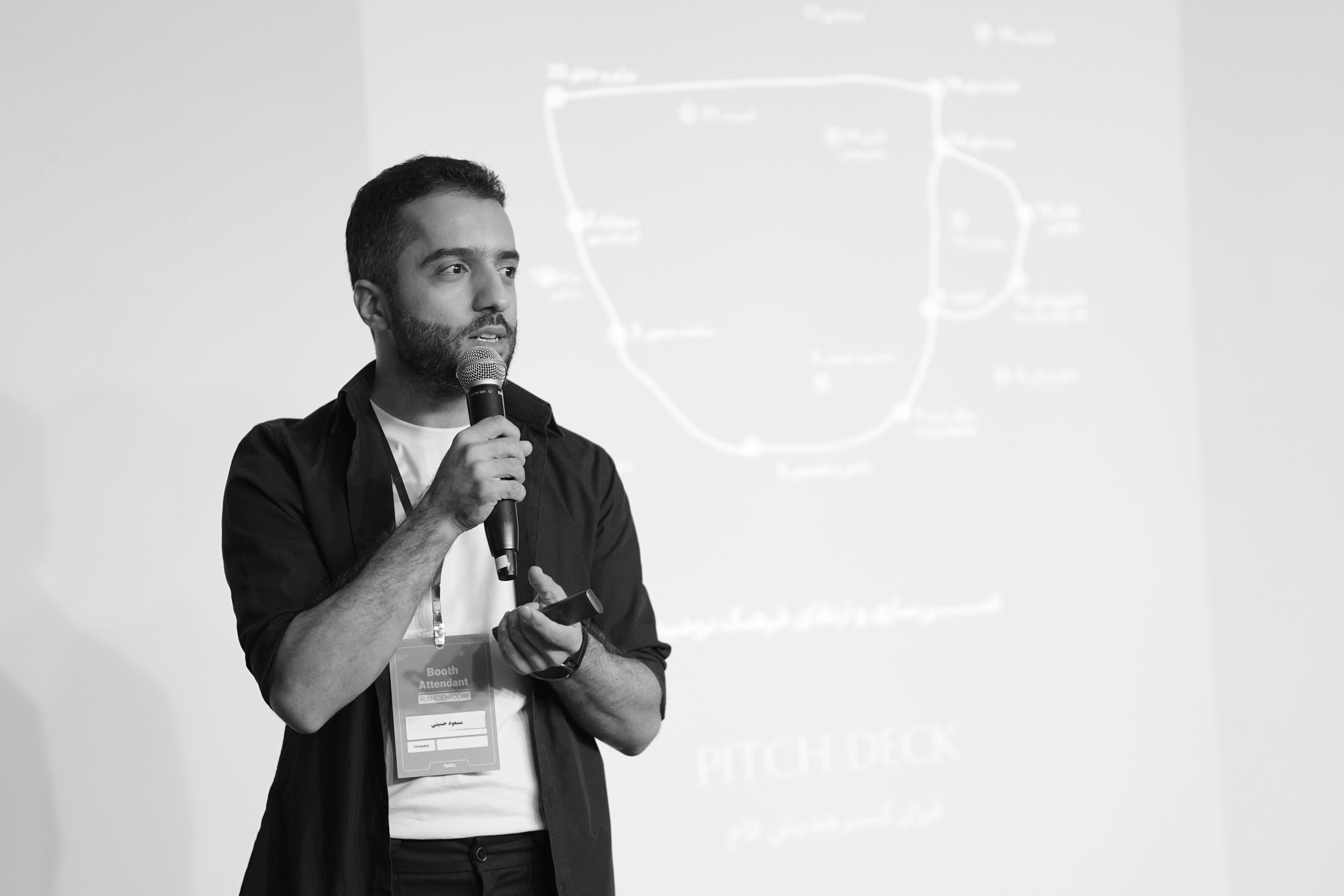

Redesigning Pitch Decks for 2025–2026: Lessons from Hundreds of Decks, Founders, and Investors
Introduction
Over the course of 2025, I reviewed hundreds of pitch decks, met with dozens of founders, and built and refined numerous decks myself. I also spoke with a wide range of investors to understand what works (and what doesn’t) in today’s fundraising landscape. Here are the key takeaways from this year, plus a forecast for 2026.
Core lessons from the deck that wins
– The problem slide is decisive. If an investor doesn’t lean in on slide two, the rest of the deck struggles. Many founders bury their strongest insight deeper in the presentation.
– Founders who have direct experience with the problem tell the strongest stories. Personal context often trumps broad market research.
– The word “platform” is a liability. Describe what the product actually does instead of relying on buzzwords.
– Traction without context is meaningless. Quantify impact: “10K users” is vague; “10K users with 23% month-over-month growth and $47 average revenue per user” communicates real momentum.
– Market size slides often miss the mark. Investors know when figures are pulled from generic sources. Show your own math, grounded in your customer segments.
– Financial projections reveal thinking, not just numbers. Demonstrate understanding of unit economics; ambitious growth is acceptable if it’s backed by logic. Pure hockey-stick projections without rationale erode credibility.
– The team slide should answer: why you, why now. Focus on the team’s relevant, hands-on experience solving this exact problem, not on advisors’ profiles.
– Milestones matter for funding requests. A vague “we need $2M for hiring and marketing” is insufficient. A plan like “$2M enables us to reach $100K MRR and sustain an 18-month runway” is compelling.
– Design matters, but not at the expense of substance. A deck should be professional and legible; excessive polish isn’t required, but care matters.
– Every deck should articulate a unique insight tied to your domain expertise. If the idea could be conceived by someone without your background, it’s less compelling.
– Slide count doesn’t determine success. If a slide adds value, keep it; if it’s not essential, remove it.
– Founders often confuse features with benefits. Focus on outcomes your product enables rather than just the technology.
– The fundraising story is as important as the business story. Clarify why this round, why this amount, and why now.
– Clarity beats cleverness. Funded decks are typically those that tell a clear, straightforward story.
– Don’t rely on the cover slide as a long-form introduction. A concise, impactful tagline matters; lengthy cover copy loses attention.
– “AI” should be treated as a feature, not a business model. Lead with the problem you solve, not the tech you use.
– Avoid “conservative estimates” that feel hollow. It’s more credible to show a clear path to your first milestone (e.g., first $1M ARR) than to promise outsized, vague outcomes.
– One idea per slide. Keeping the problem, solution, and market on separate slides helps maintain flow and clarity.
– Your TAM should reflect a real customer base, not an abstract global category. Niche and segment intelligently to demonstrate addressable demand.
– Readability matters. Font size should be legible on mobile; small type signals a lack of care.
– Bullet points can be dull. Use visuals—icons, charts, and prominent numbers—to convey the narrative.
– Avoid generic category headlines like “Uber for X.” Strive for originality and specificity in positioning.
– The Appendix is a vital asset. Keep the core deck concise and reserve more technical details for the appendix.
– PDFs are the preferred format. Ensure layouts and fonts render consistently; avoid Keynote or PPT for external sharing.
– Early-stage exits are speculative. Focus on realistic milestones rather than premature exit narratives.
– Data should be contextualized. Label axes, explain spikes, and provide interpretation to make trends meaningful.
– Consistency signals competence. Uniform headers, color schemes, and typography convey professionalism.
– Frameworks can constrain storytelling. Develop a narrative that reflects your unique approach rather than relying on familiar templates.
– Competition is about positioning. You can’t outsize the giants, but you can dominate a niche. Define clear, defensible points of differentiation within a specific vertical.
– Weave the “why now” into the broader narrative. Is the problem urgent? Is the market shifting? Are incumbents slow? Is your timing compelling?
Predictions for 2026
– AI will influence deck reviews. Investors are increasingly using AI-assisted processes and tools to evaluate decks. Your materials should be legible and sufficiently explicit for both human and AI review.
– Pre-seed rounds may tighten. While AI reduces the friction of MVP development, investors will seek real traction or revenue signals earlier. Demonstrating measurable momentum before fundraising will become more common.
– Outreach will get noisier. Automation and bulk outreach are widespread, making differentiation through creativity and value proposition essential. A thoughtful, targeted approach will outperform generic campaigns.
Practical advice for founders
– Lead with impact: present the real problem, the authentic solution, and the tangible outcomes for customers.
– Quantify traction meaningfully: provide context, benchmarks, and unit economics.
– Build a narrative, not a checklist: connect the problem, solution, market, and team into a cohesive story.
– Prepare the appendix early: have deep-dive material ready for investors who want to drill down.
– Test your deck with a few trusted mentors or peers to ensure clarity and resonance before outreach.
If you’d like, I can tailor these insights into a custom deck framework for your specific startup stage and sector, including slide-by-slide guidelines and example language.
